EMDR in 2026: The Breakthrough Therapy Rewiring Trauma for a New Era

What Is EMDR and Why Is It Everywhere in 2026?
If you’ve been paying attention to mental health conversations lately, you’ve probably heard the acronym EMDR—Eye Movement Desensitization and Reprocessing. Once considered fringe, EMDR is now a mainstream, evidence-based therapy recommended by the World Health Organization, the American Psychological Association, and countless trauma specialists worldwide. In 2026, it’s not just a buzzword; it’s a lifeline for millions.
But what exactly is EMDR, and why has it become such a powerful tool for healing trauma? Let’s dive in.
How EMDR Works: The Science Behind the Bilateral Stimulation
EMDR is based on the idea that traumatic memories can get “stuck” in the brain, unable to be processed like normal memories. These unprocessed memories can trigger intense emotional reactions, flashbacks, anxiety, and even physical symptoms long after the event has passed.
During an EMDR session, a trained therapist guides you through bilateral stimulation—typically side-to-side eye movements, but also tapping or auditory tones. This stimulation mimics the rapid eye movement (REM) sleep phase, which is when your brain naturally processes memories. While you focus on a distressing memory, the bilateral stimulation helps your brain reprocess it, reducing its emotional charge and allowing you to integrate it in a healthier way.
In 2026, advances in neuroscience have further validated EMDR’s effectiveness. Functional MRI studies now show that EMDR can literally rewire neural pathways, decreasing activity in the amygdala (the brain’s fear center) and increasing connectivity in the prefrontal cortex (the reasoning center). It’s not magic—it’s neuroplasticity in action.
Who Can Benefit from EMDR?
Originally developed for PTSD, EMDR has since been successfully used to treat a wide range of conditions, including:
- Anxiety and panic disorders
- Depression
- Complex trauma and childhood abuse
- Grief and loss
- Phobias
- Performance anxiety (yes, even athletes and executives use it)
- Addiction and substance use disorders
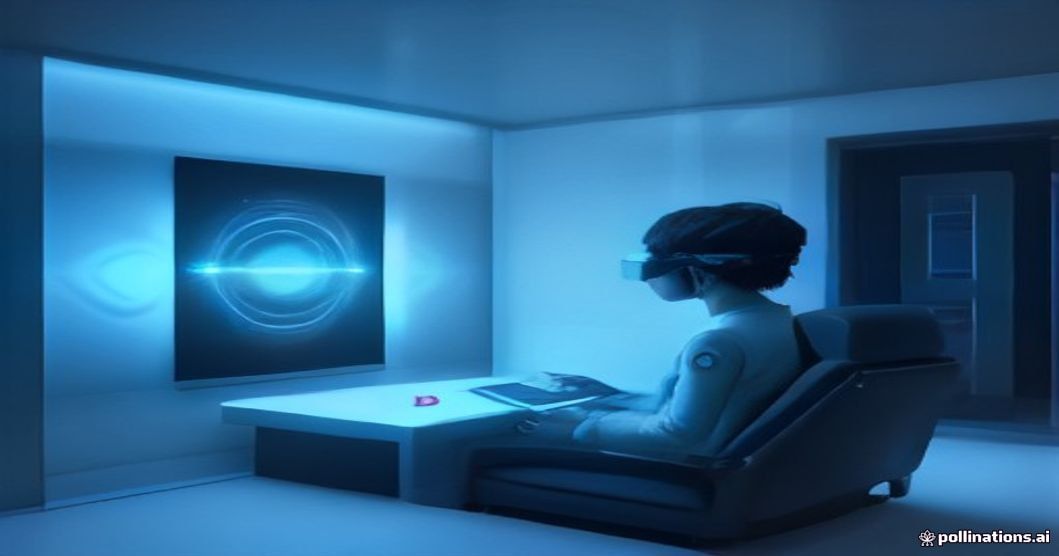
In 2026, EMDR is also being integrated into teletherapy platforms, making it more accessible than ever. With virtual reality (VR) enhancements, some therapists now use immersive environments to help clients safely confront and reprocess traumatic memories.
What to Expect in an EMDR Session
EMDR therapy typically follows an eight-phase protocol. Here’s a simplified breakdown:
- History-taking and treatment planning: Your therapist learns your story and identifies targets for reprocessing.
- Preparation: You’ll learn coping skills and relaxation techniques to stay grounded during sessions.
- Assessment: Together, you’ll pinpoint a specific memory and the negative beliefs attached to it (e.g., “I’m not safe”).
- Desensitization: While engaging in bilateral stimulation, you’ll focus on the memory until it becomes less distressing.
- Installation: You’ll strengthen a positive belief (e.g., “I am safe now”).
- Body scan: You’ll notice any residual tension and process it.
- Closure: Each session ends with grounding techniques to ensure you leave feeling stable.
- Reevaluation: In the next session, you’ll review progress and identify new targets if needed.
In 2026, many therapists are also incorporating biofeedback and wearable tech to monitor heart rate variability and stress levels during sessions, making the process even more precise and personalized.
The Future of EMDR: Innovations on the Horizon
As we look ahead, EMDR is poised to become even more integrated into mainstream healthcare. Here are a few trends to watch:
- AI-assisted therapy: Artificial intelligence is being used to analyze session data and suggest optimal bilateral stimulation patterns.
- VR and AR: Virtual and augmented reality are creating safe, controlled environments for exposure and reprocessing.
- Wearables and apps: At-home bilateral stimulation devices and apps are emerging, allowing for between-session reinforcement (always under professional guidance).
- Insurance coverage: More insurance providers are recognizing EMDR’s efficacy and expanding coverage, making it more affordable.
Practical Takeaways: Is EMDR Right for You?
If you’re struggling with trauma, anxiety, or any of the conditions mentioned above, EMDR might be a game-changer. Here’s what you can do:
- Do your research: Look for a licensed therapist trained in EMDR. The EMDR International Association (EMDRIA) is a great resource.
- Trust the process: EMDR can bring up intense emotions, but a skilled therapist will guide you safely.
- Be patient: While some people experience relief in just a few sessions, complex trauma may take longer.
- Combine with other therapies: EMDR works well alongside talk therapy, medication, and lifestyle changes.
In 2026, mental health is finally getting the attention it deserves. EMDR stands at the forefront of a revolution in trauma care—offering hope, healing, and a path to reclaiming your life. If you’re ready to explore EMDR, reach out to a qualified professional today. Your brain has an incredible capacity to heal—sometimes it just needs a little help to get unstuck.