Trauma Insights 2026: How New Science Is Rewriting Healing and Resilience
If you’ve ever felt like your past is living in your body—showing up as anxiety, sleepless nights, or a nervous system stuck on high alert—you’re not alone. And in 2026, the conversation around trauma has never been more nuanced, more hopeful, or more grounded in cutting-edge science. We’re moving beyond the old idea that trauma is just a memory problem. Today, trauma insights are reshaping how we understand the brain, the body, and the very real possibility of post-traumatic growth.
In this deep dive, we’ll explore the latest trauma insights—from polyvagal theory to psychedelic-assisted therapy—and offer practical takeaways you can use right now. Whether you’re a clinician, a survivor, or simply someone who wants to understand the human experience more deeply, this is for you.
The Body Keeps the Score—But the Brain Rewrites It
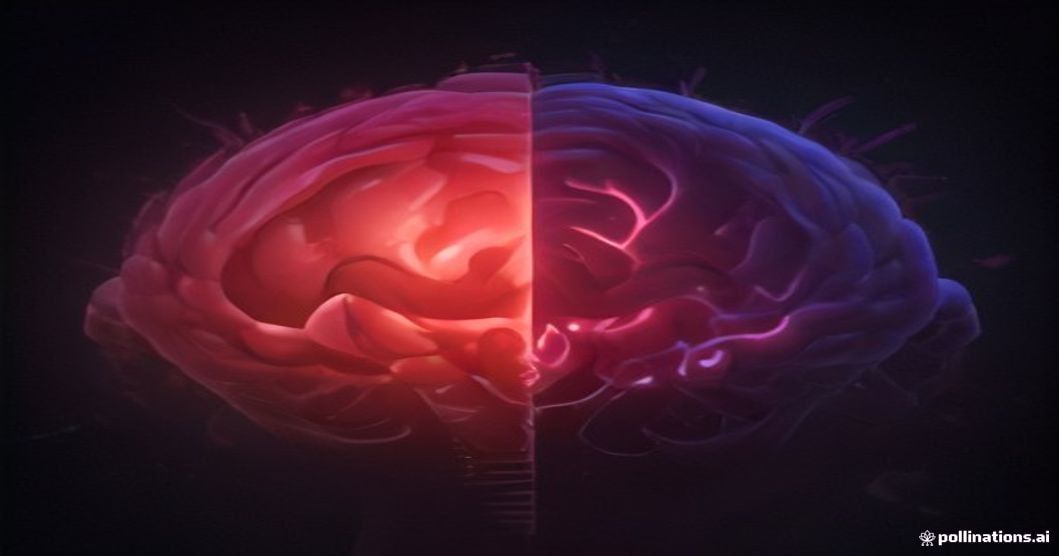
For decades, we’ve known that trauma isn’t just a story we tell; it’s a physiological imprint. But 2026 brings a sharper lens: neuroplasticity research now shows that the brain’s threat-detection system (the amygdala) and its executive control center (the prefrontal cortex) can be retrained. We’re not doomed to relive our past.
New imaging studies reveal that even decades-old trauma responses can soften with targeted interventions like somatic experiencing, EMDR 2.0, and neurofeedback. The key insight? Healing isn’t about erasing the memory—it’s about helping the nervous system learn that the danger is over.
Practical takeaway: Try “orienting”—a simple somatic practice where you slowly look around your environment and name five things you see. This signals safety to your brainstem and can interrupt a trauma response in real time.
Practical takeaway: Explore neurofeedback apps that use real-time EEG to help you self-regulate. In 2026, consumer-grade devices are more accessible than ever.
Polyvagal Theory Grows Up: The Science of Safety
Polyvagal theory has evolved from a niche concept to a mainstream framework for understanding trauma. In 2026, we have a more refined model: the autonomic nervous system isn’t just three states (ventral vagal, sympathetic, dorsal vagal)—it’s a dynamic spectrum. And the vagus nerve? It’s the star of the show.
Research now shows that vagal tone—the flexibility of your vagus nerve—is a biomarker for resilience. The good news: you can tone your vagus nerve like a muscle. Practices like cold exposure, deep diaphragmatic breathing, and even humming can stimulate the vagus and shift you toward a state of safety and connection.
Practical takeaway: Try the “basic exercise” from Stanley Rosenberg’s work: clasp your hands behind your head, gently move your eyes horizontally, and notice the shift in your breath and heart rate.
Practical takeaway: Incorporate a 5-minute vagal toning routine into your morning: alternate nostril breathing, humming, and a cold splash on your face.
Psychedelic-Assisted Therapy: From Promise to Practice
In 2026, psychedelic-assisted therapy for trauma is no longer fringe. MDMA-assisted therapy for PTSD is now legally available in several countries, and psilocybin trials for treatment-resistant depression and complex trauma are yielding remarkable results. But the real insight isn’t just about the medicine—it’s about the therapeutic container.
What we’ve learned: these compounds don’t “cure” trauma; they create a neuroplastic window where deep therapeutic work becomes possible. The emphasis is on integration—making sense of the experience and weaving it into daily life. And crucially, access and equity remain hot-button issues. Who gets these treatments? And how do we ensure safety and ethical practice?
Practical takeaway: If you’re considering psychedelic-assisted therapy, prioritize legal, clinically supervised settings with thorough preparation and integration support.
Practical takeaway: For clinicians, get trained in trauma-informed psychedelic integration—it’s becoming a core competency.
Trauma-Informed Everything: A Cultural Shift
Trauma insights aren’t just for therapists anymore. In 2026, trauma-informed approaches are reshaping education, workplaces, healthcare, and even tech design. Schools are adopting sensory-friendly environments and emotional regulation curricula. Companies are recognizing that psychological safety isn’t a perk—it’s a performance driver.
And the digital world? After years of doomscrolling and algorithmic outrage, we’re seeing a push for “trauma-informed design” in social media and AI. Think: features that reduce retraumatization, content warnings that actually work, and AI chatbots trained to respond with empathy and boundaries.
Practical takeaway: Advocate for trauma-informed practices in your workplace or community. Start with a simple question: “What happened to you?” instead of “What’s wrong with you?”
Practical takeaway: Audit your digital diet. Curate your feed to include calming, educational, and uplifting content—and set boundaries around triggering material.
Post-Traumatic Growth: The Other Side of Suffering
Perhaps the most hopeful trauma insight of 2026 is the robust evidence for post-traumatic growth (PTG). PTG isn’t about toxic positivity or saying trauma is “good.” It’s about recognizing that many people emerge from adversity with deeper relationships, a renewed sense of purpose, and a greater appreciation for life.
New longitudinal studies show that PTG is facilitated by specific factors: social support, meaning-making, and a sense of agency. And we’re getting better at predicting who might experience growth—and how to cultivate it.
Practical takeaway: Practice “benefit finding”—journaling about small ways you’ve grown or connected with others since a difficult experience.
Practical takeaway: Build a “resilience squad”—a handful of people you can be honest with and who remind you of your strengths.
The Future of Trauma Healing: Precision and Compassion
As we look ahead, trauma insights are converging on precision medicine and deep compassion. We’re moving toward personalized treatments based on genetics, biomarkers, and lived experience. At the same time, the core of healing remains profoundly human: safety, connection, and being seen.
In 2026, the message is clear: trauma is not a life sentence. With the right insights and support, healing is not only possible—it’s probable. And that’s a truth worth sharing.
Ready to take the next step? Explore our resources on somatic practices, trauma-informed therapy directories, and community support groups. Your healing journey starts with a single insight.
If you’ve ever felt like your brain was working against you—or watched someone you love struggle to find the right support—you’re not alone. Mental health has long been the neglected cousin of physical health, but that’s changing fast. In 2026, we’re witnessing a convergence of neuroscience, technology, and social awareness that is fundamentally reshaping how we understand, diagnose, and treat mental health conditions.
This isn’t just about new pills or apps. It’s about a paradigm shift: from one-size-fits-all psychiatry to personalized, biologically-informed, and compassionately-delivered care. Let’s dive into the latest research that’s making waves—and what it means for you.
1. The Gut-Brain Axis: Your Second Brain Speaks Up
Remember when we thought of the gut as just a digestion tube? Those days are over. Research in 2026 has solidified the gut microbiome’s role in anxiety, depression, and even bipolar disorder. A landmark study from the University of California, San Francisco, found that specific strains of bacteria—like Lactobacillus rhamnosus and Bifidobacterium longum—can reduce cortisol levels and improve mood in people with treatment-resistant depression.
But here’s the twist: it’s not just about popping a probiotic. The research points to a complex interplay between diet, inflammation, and the vagus nerve. In fact, a 2026 clinical trial showed that a Mediterranean-style diet rich in fermented foods increased microbiome diversity and decreased depressive symptoms by 40% over 12 weeks—comparable to some antidepressants.
What You Can Do Today
Feed your microbes: Add yogurt, kefir, sauerkraut, or kimchi to your daily meals.
Fiber is your friend: Aim for 30 different plant foods per week to boost microbial diversity.
Consider a psychobiotic: Talk to your doctor about targeted probiotic strains backed by clinical trials.
2. Psychedelic-Assisted Therapy: From Stigma to Science
Psilocybin and MDMA have officially crossed the threshold from counterculture to clinical care. In 2026, the FDA is expected to approve MDMA-assisted therapy for PTSD, following a string of successful Phase 3 trials. Psilocybin for treatment-resistant depression is close behind.
But the real story is how these treatments work. They’re not just about the drug—they’re about the therapeutic context. A 2026 study from Johns Hopkins showed that the quality of the therapeutic relationship and the integration sessions were the strongest predictors of long-term outcomes. In other words, the medicine opens a window, but the therapist helps you walk through it.
What You Can Do Today
Stay informed: Follow organizations like MAPS and COMPASS Pathways for updates on legal access.
Seek integrated care: If you’re considering psychedelic therapy, ensure it’s paired with professional psychotherapy.
Be patient: These treatments aren’t magic bullets—they require preparation and follow-up.
3. Digital Therapeutics: Prescription Apps That Actually Work
Your phone can now be a legitimate medical device. In 2026, digital therapeutics (DTx) have matured beyond meditation apps. Prescription digital therapeutics like Rejoyn for depression and EndeavorRx for ADHD are being prescribed alongside traditional treatments. These aren’t just wellness tools—they’re FDA-cleared interventions with clinical evidence.
The latest research shows that DTx can be particularly effective for mild-to-moderate conditions, and they’re bridging the gap for people in rural areas or on long waitlists. A 2026 meta-analysis in JAMA Psychiatry found that app-based CBT reduced symptoms of anxiety and depression by an average of 35%—and the effects lasted six months after treatment ended.
What You Can Do Today
Ask your provider: Inquire about prescription digital therapeutics that might complement your current treatment.
Check the evidence: Look for apps that have peer-reviewed studies backing them, not just testimonials.
Set boundaries: Use screen time limits to ensure digital tools don’t become another source of stress.
4. Precision Psychiatry: Your DNA Matters
Gone are the days of trial-and-error prescribing. Pharmacogenomic testing—which analyzes how your genes affect your response to medications—is becoming standard practice in 2026. A study from the Mayo Clinic found that patients whose treatment was guided by genetic testing were 50% more likely to achieve remission from depression within six months.
Beyond genetics, researchers are using biomarkers like inflammatory markers and neuroimaging to predict who will respond to which treatment. This means fewer side effects, faster relief, and a more personalized path to wellness.
What You Can Do Today
Ask about testing: If you’ve tried multiple medications without success, ask your psychiatrist about pharmacogenomic testing.
Share your history: Family history of medication response can provide valuable clues.
Be hopeful: Precision psychiatry is making the trial-and-error era obsolete.
5. The Inflammation Connection: When Your Immune System Attacks Your Mood
Chronic inflammation isn’t just bad for your heart—it’s bad for your brain. In 2026, the link between inflammation and depression is one of the hottest areas in mental health research. Studies show that people with elevated levels of C-reactive protein (CRP) are more likely to experience depression, and anti-inflammatory drugs like celecoxib are being tested as adjunctive treatments.
Even more exciting: lifestyle interventions that reduce inflammation—like exercise, sleep, and stress management—are now being prescribed as first-line treatments for mild depression. A 2026 study from Stanford found that a 12-week program combining aerobic exercise and anti-inflammatory diet reduced depressive symptoms by 45% in participants with high inflammation.
What You Can Do Today
Move your body: Aim for 150 minutes of moderate exercise per week—it’s as effective as medication for some.
Eat anti-inflammatory foods: Load up on fatty fish, leafy greens, and berries.
Prioritize sleep: Poor sleep ramps up inflammation; aim for 7-9 hours.
6. Social Prescribing: Connection as Medicine
Loneliness is a public health crisis, and 2026 research confirms it’s as harmful as smoking 15 cigarettes a day. In response, healthcare systems are embracing “social prescribing”—connecting patients with community activities, support groups, and volunteer opportunities. A UK study found that social prescribing reduced emergency room visits by 20% and improved mental well-being in 80% of participants.
The science is clear: we are wired for connection. Social isolation alters brain chemistry, increases stress hormones, and worsens mental health. But the remedy isn’t just “go make friends”—it’s about creating structured, accessible pathways to belonging.
What You Can Do Today
Join a group: Book clubs, walking groups, or community gardens—find something that aligns with your interests.
Volunteer: Helping others is one of the fastest ways to boost your own mood.
Reconnect: Reach out to an old friend—you’ll both benefit.
7. The Rise of Peer Support and Lived Experience
In 2026, the mental health workforce is expanding beyond clinicians. Peer support specialists—people with lived experience of mental illness—are now integrated into many treatment teams. Research shows that peer support reduces hospitalizations, increases engagement in care, and improves hope and empowerment.
This shift is also happening in research: community-based participatory research ensures that studies are designed with, not just for, people with mental health conditions. The result is more relevant, respectful, and effective interventions.
What You Can Do Today
Seek peer support: Organizations like NAMI and DBSA offer peer-led groups online and in person.
Share your story: If you’re comfortable, your experience could help someone else feel less alone.
Advocate: Support policies that fund peer support services and community mental health.
Putting It All Together: A Hopeful Future
The latest research into mental health isn’t just a collection of isolated findings—it’s a movement toward a more holistic, personalized, and humane approach to care. We’re learning that the brain isn’t separate from the body, that community is medicine, and that technology can be a tool for connection rather than isolation.
If you’re struggling, know this: the science is on your side, and the options are growing. Whether it’s a new therapy, a dietary change, or a support group, there’s more hope than ever. And if you’re a clinician or researcher, you’re part of a revolution that’s finally giving mental health the attention it deserves.
The future of mental health is bright—and it’s happening now.
Trauma Insights in 2026: A New Era of Understanding and Healing
If you’re reading this, you or someone you care about may be navigating the complex terrain of trauma. First, let me say this: you’re not broken, and you’re not alone. In 2026, our understanding of trauma has evolved dramatically—and the insights we now have are reshaping how we heal, how we support others, and how we think about resilience. This article isn’t just a collection of clinical facts; it’s a compassionate guide to the latest breakthroughs and timeless truths about trauma recovery.
Whether you’re a survivor, a clinician, a loved one, or simply someone who wants to understand the human experience more deeply, these insights will give you practical tools and a hopeful perspective. Let’s dive in.
What Exactly Is Trauma? A 2026 Definition
Trauma isn’t just the event that happened to you. It’s how your nervous system responded to that event—and how it continues to respond long after the danger has passed. In 2026, the clinical consensus defines trauma as an overwhelming experience that exceeds your capacity to cope, leaving lasting imprints on the brain, body, and psyche.
But here’s the key insight: trauma is not a life sentence. It’s an injury, not a disorder of character. And like any injury, it can heal with the right conditions.
Modern trauma research has moved beyond a one-size-fits-all model. We now recognize that trauma manifests differently based on age, genetics, community support, and even the cultural context in which it occurs. This nuanced view has led to more personalized and effective approaches.
The Three E’s of Trauma (Still Relevant in 2026)
The Substance Abuse and Mental Health Services Administration (SAMHSA) popularized the “Three E’s” of trauma: Event, Experience, and Effect. In 2026, these remain a foundational framework:
Event: The actual or threatened death, serious injury, or sexual violence—or any experience that feels overwhelming.
Experience: How the individual subjectively experiences the event, including feelings of helplessness, terror, and loss of control.
Effect: The lasting adverse effects on functioning and well-being, which can be immediate or delayed.
What’s new in 2026 is the integration of collective trauma—the impact of systemic oppression, climate disasters, and global pandemics—into this framework. We now understand that trauma isn’t just individual; it’s also communal and intergenerational.
The Neuroscience of Trauma: What We Know Now
Thanks to advances in neuroimaging and computational neuroscience, we can now see trauma’s fingerprints on the brain in real time. Here’s what the latest research reveals:
The amygdala (your brain’s alarm system) becomes hyperactive, constantly scanning for threats even in safe environments.
The prefrontal cortex (responsible for reasoning and impulse control) goes offline during traumatic stress, making it hard to think clearly or regulate emotions.
The hippocampus (which helps distinguish past from present) can shrink, leading to flashbacks where the past feels like the present.
The insula (involved in interoception—your sense of your body’s internal state) often becomes dysregulated, contributing to dissociation and numbness.
But here’s the hopeful part: neuroplasticity—the brain’s ability to rewire itself—is alive and well. In 2026, we have more evidence than ever that targeted interventions can literally reshape the brain toward healing.
Polyvagal Theory and Beyond
Dr. Stephen Porges’ Polyvagal Theory revolutionized how we understand the autonomic nervous system. In 2026, it’s still a cornerstone, but it’s been expanded. We now recognize that safety isn’t just about the vagus nerve—it’s about the entire body’s felt sense of connection. Practices like vagal toning, breathwork, and co-regulation are now mainstream tools in trauma therapy.
Newer models, like the Neurovisceral Integration Model, emphasize the heart-brain connection and the role of inflammation in trauma responses. This has led to innovative treatments that target both mind and body.
Trauma Insights from Cutting-Edge Therapies
The therapeutic landscape in 2026 is rich with evidence-based options. Here are some of the most promising approaches:
1. MDMA-Assisted Therapy for PTSD
After years of clinical trials, MDMA-assisted therapy has been approved in several countries for treatment-resistant PTSD. Research shows it can dramatically reduce symptoms by helping patients revisit traumatic memories without being overwhelmed. It’s not a magic pill—it’s used in conjunction with psychotherapy—but it’s a game-changer for many.
2. Psychedelic-Assisted Therapies
Psilocybin, ketamine, and other psychedelics are being explored for trauma treatment. In 2026, ketamine-assisted therapy is widely available for depression and PTSD, while psilocybin is in late-stage trials. These substances appear to promote neuroplasticity and allow for deep emotional processing.
3. Somatic Therapies
Approaches like Somatic Experiencing, Sensorimotor Psychotherapy, and the Trauma Resiliency Model focus on releasing trauma stored in the body. They use gentle awareness, movement, and breath to restore the nervous system’s natural balance. In 2026, these are increasingly integrated with talk therapy for a holistic approach.
4. Neuromodulation Techniques
Technologies like transcranial magnetic stimulation (TMS), focused ultrasound, and neurofeedback are being refined to target specific brain circuits involved in trauma. These non-invasive options offer hope for those who haven’t responded to traditional therapies.
5. Digital Therapeutics and AI
AI-powered apps and virtual reality (VR) exposure therapy are now accessible. VR allows survivors to safely confront triggers in controlled environments, while AI chatbots provide 24/7 support and personalized coping strategies. In 2026, these tools are not replacements for human connection but powerful adjuncts.
Practical Takeaways for Your Healing Journey
Insights are only useful if they translate into action. Here are some practical steps you can take, whether you’re just starting or deep into your healing journey:
Prioritize safety: Your nervous system needs to feel safe before it can heal. This means creating physical and emotional safety in your environment and relationships.
Learn to self-regulate: Simple practices like deep breathing, grounding exercises, and mindful movement can help you stay within your window of tolerance.
Seek professional support: Trauma therapy is not a DIY project. Find a trauma-informed therapist who understands the latest research.
Connect with community: Healing happens in relationship. Support groups, peer networks, and trusted loved ones are invaluable.
Be patient with yourself: Healing is non-linear. There will be ups and downs. That’s normal and okay.
Explore body-based practices: Yoga, tai chi, and dance/movement therapy can help release stored trauma.
Consider innovative options: If traditional therapy hasn’t worked, ask about MDMA-assisted therapy, ketamine, or neuromodulation.
The Future of Trauma Healing: Trends to Watch
As we look ahead, several exciting developments are on the horizon:
Precision psychiatry: Using genetic, neurological, and environmental data to tailor treatments to each individual.
Early intervention: Identifying trauma in children and providing support before symptoms become chronic.
Community resilience: Building trauma-informed schools, workplaces, and cities to prevent retraumatization.
Intergenerational healing: Addressing epigenetic changes and breaking cycles of trauma within families.
Global access: Telehealth and low-cost interventions to reach underserved populations worldwide.
In 2026, we’re not just treating trauma—we’re preventing it and fostering resilience on a societal level.
You Are Not Alone: A Message of Hope
If there’s one insight I want you to take away, it’s this: trauma may shape you, but it doesn’t have to define you. The human capacity for healing is extraordinary. With the right support, tools, and time, you can move from surviving to thriving.
In 2026, we have more resources, more understanding, and more hope than ever before. Whether you’re taking your first step or your thousandth, know that you’re part of a global community of survivors, healers, and researchers who are lighting the way.
Take a deep breath. You’re here. You’re reading this. That’s already a sign of strength.
Note: This article is for informational purposes only and not a substitute for professional medical advice. If you’re struggling, please reach out to a qualified mental health provider.
Healing Is Not a Straight Line—But These Hacks Can Smooth the Path
If you’re reading this, chances are you’ve carried something heavy for far too long. Maybe it’s the echo of a childhood wound, the sting of betrayal, the grief of loss, or the slow burn of chronic stress. Whatever it is, let me say this first: you are not broken. Your brain has simply adapted to survive. And in 2026, we know more than ever about how to help it adapt again—this time, toward thriving.
The old advice—”just move on,” “think positive,”—is as outdated as a flip phone. Today’s trauma healing is a blend of cutting-edge neuroscience, nervous system regulation, and deep self-compassion. These aren’t just theories; they’re practical hacks you can start using today. Let’s dive in.
1. The Vagal Reset: Your Fastest Route to Calm
Your vagus nerve is the superhighway of your parasympathetic nervous system—the part that says, “You’re safe. You can rest.” Trauma often leaves it underactive, keeping you stuck in fight-or-flight. The hack? Stimulate it deliberately.
Cold exposure: Splash cold water on your face or hold an ice cube to your chest for 30 seconds. This triggers the dive reflex, instantly slowing your heart rate.
Humming or singing: The vibration stimulates the vagus nerve. Hum your favorite song for two minutes.
Legs-up-the-wall: Lie on your back with legs vertical against a wall for five minutes. This simple inversion calms the nervous system.
Takeaway: Do one of these daily, especially when you feel triggered. Over time, your baseline anxiety drops.
2. Memory Reconsolidation: Rewriting the Story Your Brain Tells
For decades, we thought traumatic memories were fixed. In 2026, we know better. Memory reconsolidation is the process of reactivating a memory and then updating it with new information. It’s like editing a file on your mental hard drive.
How to hack it: Bring a mild traumatic memory to mind—just enough to feel a 3 or 4 out of 10 intensity. Then, while holding that memory, introduce a contrasting positive experience. For example, imagine your adult self hugging your younger self. Or pair the memory with a physical sensation of safety (like pressing your feet into the ground). Repeat this several times. Your brain starts to associate the memory with safety rather than threat.
Takeaway: This works best with a therapist trained in modalities like EMDR or Internal Family Systems, but you can practice the basic pairing on your own.
3. The 90-Second Rule: Let Emotions Move Through You
Harvard-trained neuroscientist Dr. Jill Bolte Taylor popularized the idea that the chemical lifespan of an emotion is about 90 seconds. After that, we keep it alive by re-triggering the thought loop. Trauma survivors often get stuck in the loop.
The hack: When a wave of emotion hits, set a timer for 90 seconds. Close your eyes, feel the sensations in your body without judgment, and breathe. Don’t push it away; don’t cling to it. Just ride the wave. When the timer goes off, gently redirect your attention to something neutral—like the feeling of your feet on the floor.
Takeaway: This builds emotional agility and reduces the power of triggers over time.
4. Somatic Movement: Release the Trauma Stored in Your Body
Bessel van der Kolk’s classic work, The Body Keeps the Score, remains a cornerstone in 2026—and for good reason. Trauma isn’t just in your head; it’s in your tissues. Somatic practices help discharge the trapped energy.
Shaking: Stand with knees bent and shake your whole body for 2–3 minutes. This mimics how animals release stress after a threat.
TRE (Tension & Trauma Releasing Exercises): A series of simple exercises that induce neurogenic tremors to release deep muscular tension.
Yin yoga: Long-held floor poses that target connective tissue and calm the nervous system.
Takeaway: Even five minutes of shaking can shift your state. Do it in the morning to set a calm tone for the day.
5. The Social Safety Hack: Co-Regulation Is Your Superpower
Humans are wired for connection. Trauma often happens in isolation or betrayal, and healing happens in safe relationships. In 2026, “co-regulation” is a buzzword in therapy circles—and for good reason.
The hack: Find a safe person (friend, therapist, support group) and spend time with them doing something low-key. The key is not to talk about the trauma, but to simply be in each other’s calm presence. Your nervous system picks up on theirs. Eye contact, gentle touch, and synchronized breathing all help.
Takeaway: Schedule regular “co-regulation dates” with someone you trust. Even a 15-minute phone call can help.
6. Neuroplasticity Boosters: Grow New Pathways
Your brain can change at any age—that’s neuroplasticity. But you can accelerate it with specific habits.
Novelty: Learn a new skill (language, instrument, dance). This forces your brain to create new connections.
Exercise: Aerobic exercise boosts BDNF, a growth factor that helps neurons thrive. Aim for 20–30 minutes most days.
Sleep: Deep sleep is when your brain consolidates new learning and clears out stress chemicals. Prioritize 7–9 hours.
Mindfulness meditation: Even 10 minutes a day thickens the prefrontal cortex, which helps regulate emotions.
Takeaway: Pick one booster and commit to it for 30 days. Small steps compound.
7. The Forgiveness Hack (For Yourself, Not Them)
Forgiveness doesn’t mean condoning what happened. It means releasing the grip it has on your present. And the most important person to forgive is often yourself—for the ways you coped, the things you didn’t know, the boundaries you didn’t set.
The hack: Write a letter to your younger self. Acknowledge their pain, their courage, their resilience. Tell them what you wish someone had told them. Then read it out loud. This simple act can be profoundly healing.
Takeaway: Self-forgiveness is not a one-time event; it’s a practice. Repeat as needed.
Bonus Hack: The Future Self Visualization
Your brain is a prediction machine. When you vividly imagine your healed future self—how you’ll feel, how you’ll respond to triggers, what your life looks like—you prime your brain to make it real. Spend five minutes each morning visualizing this version of you. It’s not woo-woo; it’s neuroscience.
You Are the Healer You’ve Been Waiting For
Healing emotional trauma is not about erasing the past. It’s about integrating it so it no longer runs the show. These hacks are tools, not magic wands. Some will work better than others. Some days you’ll feel like you’re moving backward. That’s okay. Progress in trauma healing is measured in millimeters, not miles.
Be patient with yourself. Celebrate small wins. And remember: you’re not alone. Millions are walking this path, and in 2026, we have more resources, more science, and more community than ever before. Your healing matters. Start with one hack today.