What Is EMDR and Why It’s Everywhere in 2026
If you’ve scrolled through mental health spaces lately, you’ve likely heard the acronym EMDR. Eye Movement Desensitization and Reprocessing is no longer a niche technique—it’s a mainstream, evidence-based therapy that’s transforming how we treat trauma, anxiety, and even burnout. In 2026, with remote therapy platforms integrating EMDR and wearable tech offering real-time bilateral stimulation, this approach is more accessible than ever. But what exactly is it, and why are clinicians and clients alike buzzing about it?
At its core, EMDR helps the brain reprocess stuck memories. Think of it as a reboot for your nervous system: traumatic events get “frozen” in the brain’s alarm center, causing flashbacks, anxiety, and emotional triggers. EMDR uses guided eye movements (or tapping, or sounds) to help those memories unfreeze and file themselves away properly. The result? You can recall the event without the visceral punch.
How EMDR Works: The Science Behind the Bilateral Buzz
Bilateral stimulation—whether through side-to-side eye movements, alternating taps, or auditory tones—is the hallmark of EMDR. But it’s not just about moving your eyes. The therapy follows a structured eight-phase protocol that includes history-taking, preparation, assessment, desensitization, installation, body scan, closure, and reevaluation. In 2026, research using advanced neuroimaging has shown that EMDR enhances communication between the amygdala (the brain’s fear center) and the prefrontal cortex (the rational problem-solver), essentially helping the brain rewire itself.
“We used to think of trauma as a memory problem,” says Dr. Lena Torres, a clinical psychologist and EMDR researcher. “Now we understand it as a network connectivity issue. EMDR acts like a conductor, getting different brain regions to play in harmony again.”
And the best part? You don’t have to relive every detail of the trauma. EMDR allows you to process the memory from a safe distance, which is why it’s often better tolerated than traditional exposure therapy.
The 2026 EMDR Toolkit: From VR to Wearables
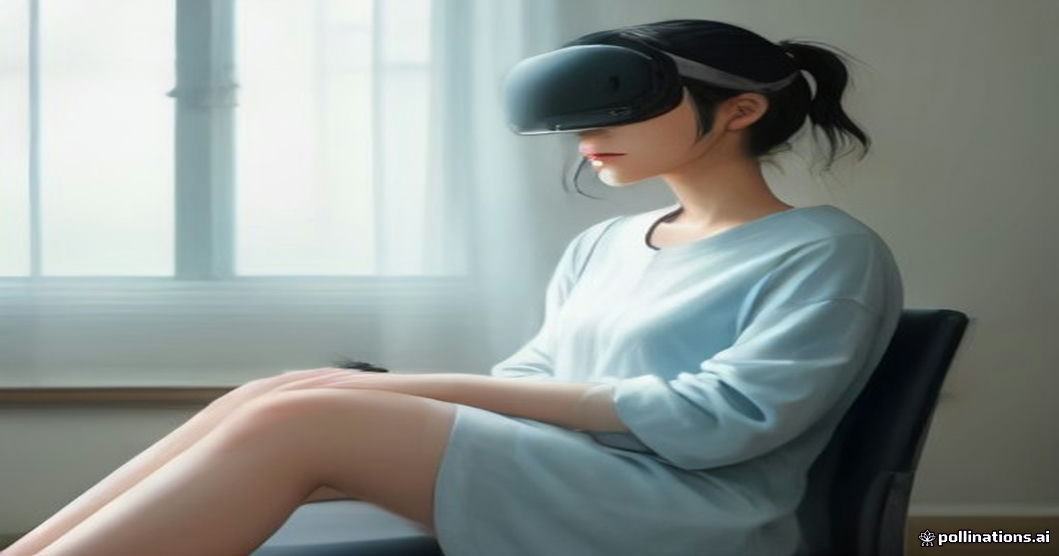
Gone are the days of relying solely on a therapist’s hand movements. In 2026, EMDR has gone high-tech. Virtual reality programs now immerse clients in calming environments while delivering bilateral stimulation through haptic gloves or VR headsets. Wearable devices like vibrating wristbands sync with therapy apps, allowing for self-administered bilateral stimulation during moments of distress (under clinician guidance, of course).
Telehealth platforms have also stepped up, offering secure, real-time EMDR sessions with integrated eye-tracking software. This means you can access EMDR from your living room, making it easier for people in rural areas or with mobility challenges to get help. However, experts caution that self-guided EMDR without professional support isn’t recommended—trauma processing requires a trained guide.
What EMDR Can Help With (Beyond PTSD)
While EMDR is best known for post-traumatic stress disorder, its applications have expanded significantly. In 2026, clinicians are using EMDR to treat:
- Complex trauma and childhood wounds: EMDR helps untangle layered memories and rebuild a coherent sense of self.
- Anxiety and panic disorders: By targeting the root memories that fuel anxious thoughts, EMDR can reduce overall anxiety.
- Depression: Especially when linked to unresolved grief or traumatic loss.
- Burnout and work-related stress: EMDR can help process the cumulative stress of high-pressure environments.
- Chronic pain and somatic symptoms: Emerging research shows EMDR may help with pain conditions where psychological factors play a role.
“We’re seeing EMDR used in corporate wellness programs and even in sports psychology,” notes Dr. Torres. “It’s not just for trauma survivors—it’s for anyone whose brain is stuck in a stress loop.”
Finding an EMDR Therapist in 2026: What to Look For
As EMDR’s popularity grows, so does the need for qualified practitioners. In 2026, look for therapists who are certified by organizations like the EMDR International Association (EMDRIA) or the EMDR Europe Association. Many now offer hybrid sessions (in-person and remote) and specialize in specific populations, such as first responders, LGBTQ+ clients, or adolescents.
When interviewing a potential therapist, ask about their training, experience with your specific concerns, and how they integrate EMDR with other modalities. A good EMDR therapist will emphasize safety and stabilization before diving into memory processing. Also, check if they use the latest tech tools—but remember, technology is a tool, not a replacement for clinical skill.
Cost-wise, EMDR is often covered by insurance, and some platforms offer sliding-scale fees. In 2026, digital mental health companies are also bundling EMDR with coaching and wellness services, making it more affordable for some.
The Future of EMDR: What’s on the Horizon for 2027 and Beyond
As we look ahead, EMDR is poised to become even more integrated into mainstream healthcare. Researchers are exploring its use in early intervention after traumatic events (like natural disasters or accidents) to prevent PTSD from developing. Others are studying its potential in treating addiction, eating disorders, and even chronic medical conditions.
Artificial intelligence is also entering the picture: AI-driven apps may soon provide personalized bilateral stimulation protocols based on real-time biometric feedback. But ethical considerations around data privacy and the need for human connection remain paramount.
One thing is clear: EMDR has moved from the fringes to the forefront of mental health care. In a world that’s increasingly aware of trauma’s impact, this therapy offers a beacon of hope—a way to reprocess the past and reclaim the future.
Practical Takeaways
- EMDR is a structured, evidence-based therapy that helps the brain reprocess traumatic memories.
- Bilateral stimulation (eye movements, tapping, sounds) is the core technique, now enhanced by VR and wearables.
- It’s effective for PTSD, anxiety, depression, burnout, and more—and can be done via telehealth.
- Always work with a certified EMDR therapist; self-guided EMDR is not advised.
- Ask about insurance coverage and sliding scales—EMDR is becoming more accessible.
- The future is bright: Expect more research, tech integration, and broader applications in the coming years.
If you’re struggling with the weight of past experiences, EMDR might be the key to unlocking a lighter, freer life. In 2026, there’s no better time to explore it.