

Trauma Insights 2026: The New Science of Healing
If you’re reading this, you or someone you love may be navigating the aftershocks of trauma. You’re not alone. In 2026, our understanding of trauma has evolved dramatically—and with it, the pathways to healing have multiplied. Gone are the days when trauma was seen as a life sentence or a character flaw. Today, we recognize it as a whole-body experience, and we have more tools than ever to help you reclaim your life.
In this article, we’ll explore the latest trauma insights, from groundbreaking research to practical, everyday strategies. Whether you’re a survivor, a loved one, or a professional, you’ll find hope and actionable steps here.
What’s New in Trauma Research in 2026?
The past few years have brought a seismic shift in how we understand and treat trauma. Here are the headlines you need to know.
1. The Body Keeps the Score—and Now We Know How to Rewrite It
Dr. Bessel van der Kolk’s pioneering work continues to inspire, but 2026 brings a deeper understanding of the biological mechanisms. Advances in epigenetics reveal that trauma can literally alter gene expression—but so can healing. Studies show that practices like mindfulness, somatic therapy, and even certain types of movement can reverse some of these changes. The message is clear: your biology is not your destiny.
2. Psychedelic-Assisted Therapy Goes Mainstream
Once fringe, psychedelic-assisted therapy is now a legitimate, evidence-based option for treatment-resistant PTSD. In 2026, MDMA-assisted therapy is legally available in several countries, and psilocybin trials for trauma are showing remarkable results. These therapies aren’t for everyone, but they represent a paradigm shift: trauma can be healed not just by talking, but by rewiring the brain’s fear circuits.
3. The Rise of Digital Therapeutics
Your smartphone might be a powerful trauma-healing tool. FDA-approved apps now deliver personalized, evidence-based interventions for PTSD, anxiety, and dissociation. From AI-driven chatbots that provide immediate support to VR environments that safely expose you to triggers, digital therapeutics are making healing accessible 24/7. In 2026, we’re seeing these tools integrated into traditional therapy, not replacing it.
4. Trauma-Informed Everything
From schools to workplaces to healthcare, institutions are adopting trauma-informed approaches. This means assuming that anyone you meet might be carrying unseen wounds, and designing environments that promote safety, trust, and empowerment. It’s a cultural shift that benefits everyone—not just survivors.
Practical Takeaways for Your Healing Journey
Knowledge is power, but action is transformation. Here are evidence-based strategies you can start using today.
1. Learn to Regulate Your Nervous System
Trauma dysregulates the autonomic nervous system, leaving you stuck in fight, flight, or freeze. Practices like deep diaphragmatic breathing, gentle yoga, and grounding exercises can help you return to a state of safety. Try this: place one hand on your chest and one on your belly. Breathe deeply, feeling your belly rise. Do this for 5 minutes, twice a day. It’s simple, but it works.
2. Seek Trauma-Specific Therapy
Not all therapy is created equal. Look for modalities with strong evidence for trauma: EMDR, Cognitive Processing Therapy (CPT), Prolonged Exposure (PE), and Somatic Experiencing. In 2026, many therapists offer hybrid options—in-person and virtual—making it easier to find the right fit.
3. Build a Support Network
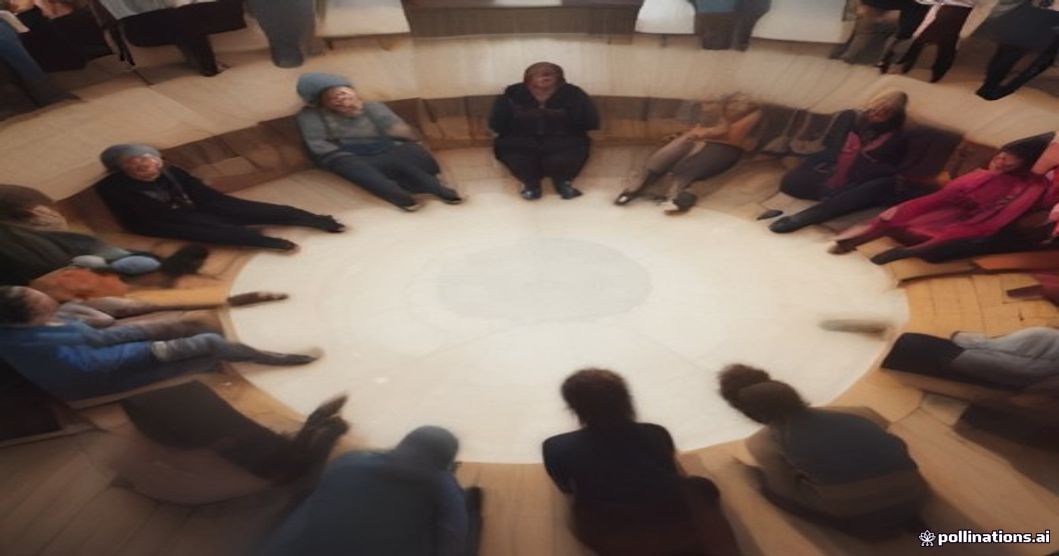
Healing happens in connection. Isolation fuels trauma; community heals it. Join a support group (online or in-person), confide in trusted friends, or consider a trauma-informed coach. You don’t have to do this alone.
4. Embrace Neuroplasticity
Your brain can change. Every time you practice a new coping skill, you’re literally rewiring your neural pathways. Be patient with yourself. Progress isn’t linear, but it is possible.
5. Prioritize Sleep and Nutrition
Trauma disrupts sleep and appetite, but these are foundational to recovery. Aim for 7-9 hours of sleep, and eat a balanced diet rich in omega-3s, antioxidants, and probiotics. Small changes add up.
The Future of Trauma Healing: What to Expect Beyond 2026
We’re on the cusp of even more breakthroughs. Look for:
- Personalized Medicine: Genetic testing to determine which therapies will work best for you.
- AI Therapists: Advanced chatbots that provide real-time, personalized interventions.
- Community-Based Healing: A shift from individual therapy to collective, culturally rooted healing practices.
- Prevention: Early interventions for children exposed to trauma, potentially stopping PTSD before it starts.
The future is bright. Trauma may be part of your story, but it doesn’t have to be the whole story.
You Are Not Broken
Let’s end with the most important insight: trauma survivors are not broken. You are adaptive, resilient, and capable of profound healing. The science backs this up. Your brain and body are wired for recovery, especially when given the right support.
In 2026, we know more than ever about how to heal. But knowledge alone isn’t enough—you deserve compassion, community, and access to care. If you’re struggling, reach out. If you’re healing, keep going. And if you’re supporting someone else, thank you. Together, we’re rewriting what it means to survive and thrive after trauma.