Welcome to 2026, a year where mental health research has taken quantum leaps forward. From the rise of AI-assisted therapy to the discovery of new biomarkers for depression, the landscape of mental healthcare is transforming at an unprecedented pace. But what does this mean for you, your loved ones, and your daily life? In this article, we’ll dive into the most exciting findings from the past year, demystify the science, and provide practical takeaways you can start using today.
The Gut-Brain Axis: Your Second Brain Speaks
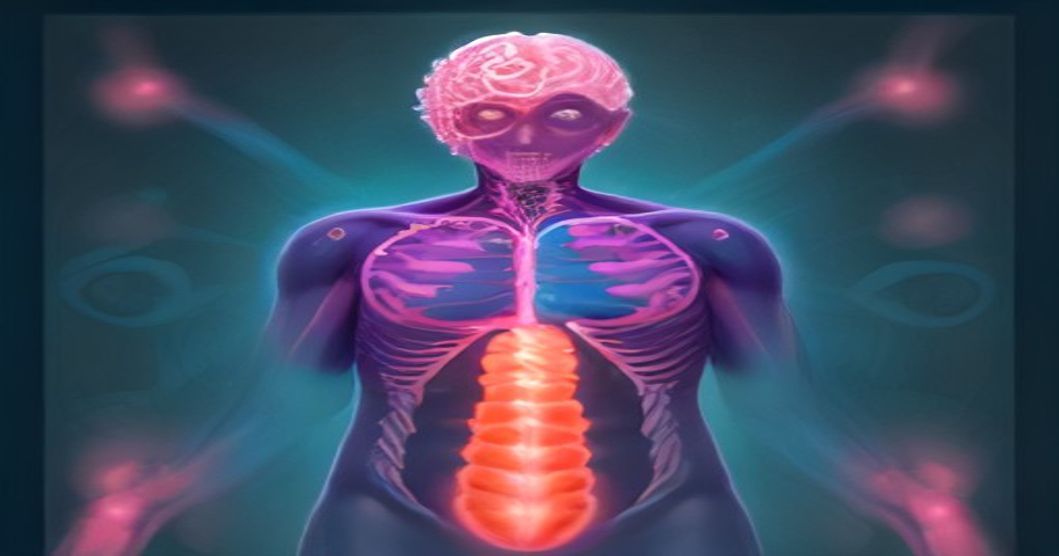
One of the most talked-about areas in mental health research is the gut-brain axis. In 2026, we have definitive evidence that the microbiome—the trillions of bacteria in your gut—directly influences your mood, anxiety levels, and even cognitive function. A landmark study published in Nature Mental Health identified specific bacterial strains that correlate with resilience to stress. The ‘psychobiotics’ movement is now mainstream, with probiotic supplements tailored to mental wellness flying off the shelves.
Practical Takeaway: Start prioritizing your gut health. Incorporate fermented foods like kefir, kimchi, and yogurt into your diet. Consider a high-quality probiotic that includes strains like Lactobacillus rhamnosus and Bifidobacterium longum, which have shown promise in clinical trials.

AI-Powered Therapy: Your New Mental Health Companion
Artificial intelligence has moved from sci-fi to your therapist’s office. In 2026, AI-driven chatbots and virtual therapists are not just a novelty; they’re an evidence-based intervention. The FDA approved the first AI-powered cognitive behavioral therapy (CBT) app, ‘MindMate’, which adapts in real-time to your emotional state using voice and text analysis. Research from Stanford shows that AI therapy can be as effective as human therapy for mild to moderate depression and anxiety, making mental health support accessible 24/7.
Practical Takeaway: If you’ve been hesitant to seek help, consider starting with an AI therapy app. It’s a low-stakes, stigma-free way to build coping skills. However, for severe conditions, always consult a human professional.
Psychedelics: From Taboo to Treatment
The psychedelic renaissance continues to gain momentum. In 2026, psilocybin (magic mushrooms) and MDMA are approved in several countries for treatment-resistant depression and PTSD, respectively. The latest research focuses on ‘microdosing’—taking sub-perceptual doses—which has shown to increase neuroplasticity and emotional openness. A groundbreaking trial at Johns Hopkins found that a single guided psilocybin session can reduce anxiety and depression in cancer patients for up to a year.
Practical Takeaway: While psychedelics are not yet legal everywhere, you can explore legal alternatives like ketamine therapy, which is available in many clinics. Always seek professional guidance—never self-medicate with unregulated substances.
The Sleep-Mood Connection: Why Your Bedtime Matters More Than Ever
Sleep research in 2026 has uncovered a bidirectional link between sleep and mental health. Poor sleep can trigger anxiety and depression, and mental health issues can disrupt sleep. But here’s the twist: new studies show that even one night of good sleep can significantly improve your mood the next day. Wearable tech, like the latest Oura Ring and Apple Watch, now includes advanced sleep staging that can predict your mental state with 90% accuracy.
Practical Takeaway: Prioritize sleep hygiene like never before. Aim for 7-9 hours, keep a consistent schedule, and create a cool, dark, quiet environment. Use your wearable to track sleep patterns and adjust your routine accordingly.
Inflammation and Mental Health: The Hidden Culprit
Chronic inflammation is now recognized as a major player in mental health disorders. In 2026, researchers have identified inflammatory markers that can predict the onset of depression. This has led to the emergence of ‘anti-inflammatory psychiatry’—a field that combines traditional treatments with lifestyle changes to reduce inflammation. A large-scale study found that a Mediterranean diet, rich in anti-inflammatory foods, can reduce the risk of depression by 30%.
Practical Takeaway: Adopt an anti-inflammatory lifestyle: eat a rainbow of fruits and vegetables, include fatty fish rich in omega-3s, and reduce processed foods and sugar. Regular exercise also lowers inflammation—even a 30-minute walk can help.
Personalized Mental Health: Your Genetic Blueprint
One-size-fits-all mental health treatment is becoming a thing of the past. In 2026, pharmacogenomic testing—which analyzes your DNA to predict how you’ll respond to medications—is now standard practice in leading clinics. This means fewer trial-and-error prescriptions and faster relief. Additionally, researchers are using AI to create personalized therapy plans based on your genetic predispositions, lifestyle, and even social media activity (with your consent).
Practical Takeaway: If you’re struggling with finding the right medication, ask your doctor about pharmacogenomic testing. It can save you months of frustration and get you on the road to recovery faster.
Conclusion: Embrace the Future of Mental Wellness
The mental health research of 2026 is nothing short of revolutionary. From gut health to AI companions, from psychedelics to personalized medicine, we have more tools than ever to support our mental well-being. The key is to stay informed and open to new approaches while grounding yourself in the basics: good sleep, a healthy diet, regular movement, and connection with others. The future is bright—and it’s here.